

Summer Safety Tips: Keeping your pets safe all season long
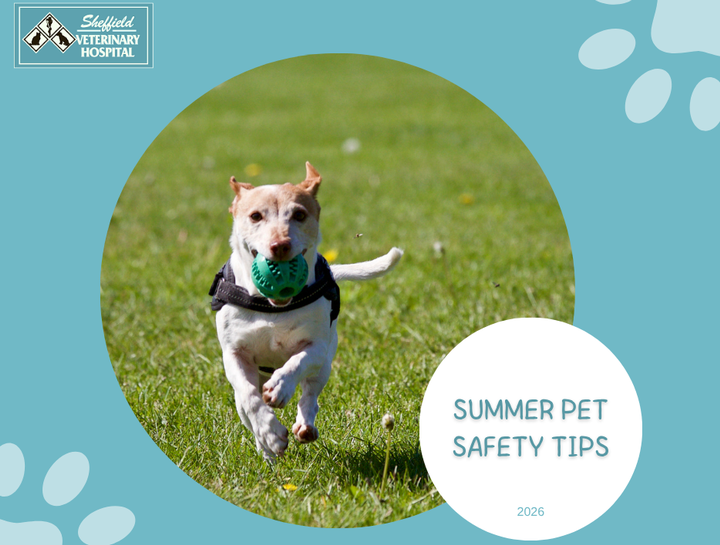
Summer Safety Tips for Dogs and Cats: Keeping Your Pets Safe All Season Long
Summer is a wonderful time to enjoy the outdoors with our pets, but warmer temperatures and seasonal activities can also bring unique health risks. At Sheffield Veterinary Hospital, we want to help you keep your furry family members safe, healthy, and comfortable throughout the summer months.
Here are some important, veterinarian-recommended summer safety tips for both dogs and cats.
1. Prevent Heatstroke and Heat Exhaustion
Unlike humans, dogs and cats cannot efficiently cool themselves through sweating. They primarily regulate body temperature through panting and limited sweating through their paw pads. This makes them particularly vulnerable to overheating.
Pets at Higher Risk Include:
-
Brachycephalic (flat-faced) breeds such as Bulldogs, Pugs, Boston Terriers, and Persian cats
-
Senior pets
-
Puppies and kittens
-
Overweight pets
-
Pets with heart or respiratory disease
Signs of Heatstroke:
-
Excessive panting
-
Difficulty breathing
-
Drooling
-
Bright red or pale gums
-
Weakness or collapse
-
Vomiting or diarrhea
-
Disorientation
-
Seizures
Prevention Tips:
-
Avoid strenuous exercise during the hottest parts of the day.
-
Walk dogs early in the morning or later in the evening.
-
Always provide access to fresh, cool water.
-
Ensure pets have access to shade when outdoors.
-
Never leave a pet unattended in a vehicle.
Did You Know?
Even on a mild 70°F day, the temperature inside a parked vehicle can exceed 100°F within minutes. Cracking the windows does not provide adequate protection.
Heatstroke is a medical emergency. If you suspect your pet is overheating, move them to a cool area, offer water, and seek veterinary care immediately.
2. Protect Those Paws
Sidewalks, asphalt, and sand can become dangerously hot during summer.
A study published in the Journal of the American Academy of Dermatology found that asphalt can reach temperatures significantly higher than the surrounding air temperature. When the air temperature is 85°F, asphalt may exceed 130°F.
Test the Surface:
Place the back of your hand on the pavement for seven seconds. If it is too hot for your hand, it is too hot for your pet's paws.
Prevention Tips:
-
Walk during cooler times of day.
-
Choose grassy routes whenever possible.
-
Consider protective booties for sensitive pets.
-
Check paw pads regularly for burns, cracks, or redness.
3. Keep Parasites Under Control
Summer is peak season for fleas, ticks, mosquitoes, and intestinal parasites.
Why Prevention Matters:
-
Fleas can cause severe itching, allergic reactions, and tapeworm infections.
-
Ticks can transmit diseases such as Lyme disease, Ehrlichiosis, and Anaplasmosis.
-
Mosquitoes transmit heartworm disease, which can affect both dogs and cats.
The American Heartworm Society recommends year-round heartworm prevention for pets because transmission can occur even when mosquito activity seems low.
Prevention Tips:
-
Administer veterinarian-recommended flea, tick, and heartworm preventatives consistently.
-
Check pets for ticks after outdoor activities.
-
Keep grass and brush trimmed around your home.
-
Schedule routine wellness exams and parasite screenings.
4. Be Careful Around Water
Many dogs enjoy swimming, but not all pets are natural swimmers.
Water Safety Tips:
-
Supervise pets around pools, lakes, ponds, and rivers.
-
Consider a life jacket for boating or swimming activities.
-
Rinse pets after swimming to remove chlorine, salt, or bacteria.
-
Prevent pets from drinking large amounts of lake, pond, or pool water.
Blue-green algae (cyanobacteria) can grow in ponds and lakes during warm weather and can be extremely toxic to pets. Exposure can lead to liver failure, neurologic signs, and death.
If water appears green, cloudy, or has a paint-like surface film, keep pets away and contact your veterinarian if exposure occurs.
5. Watch Out for Summer Toxicities
Summer activities often introduce new hazards into the home and yard. Curious pets may investigate, chew or ingest substances that can lead to serious illness or injury.
Common Summer Dangers:
-
Fertilizers
-
Herbicides and pesticides
-
Citronella products
-
Cocoa mulch
-
Certain plants and flowers
-
Insect stings
-
Human medications
-
Alcoholic beverages
-
Xylitol-containing products
Grilling Hazards:
Backyard barbecues are a summer favorite, but many cookout foods can pose risks to pets.
Avoid feeding pets:
-
Corn cobs
-
Cooked bones
-
Fatty table scraps
-
Onions and garlic
-
Grapes and raisins
-
Alcohol
6. Keep Cats Safe During Summer
Many people focus on dogs during summer, but cats face seasonal risks as well.
Important Considerations:
-
Ensure cats have access to cool resting areas.
-
Provide multiple water sources throughout the home, including outside, if you have outdoor cats.
-
Monitor for signs of dehydration.
-
Keep window screens secure to prevent falls.
-
Never leave cats in garages, sheds, or vehicles.
7. Maintain Proper Hydration
Hydration is critical during warmer months.
Signs of Dehydration:
-
Dry or tacky gums
-
Lethargy
-
Sunken eyes
-
Decreased skin elasticity
-
Reduced appetite
Encourage Water Intake By:
-
Providing multiple water bowls.
-
Refreshing water frequently.
-
Using pet water fountains.
-
Offering canned food when appropriate.
-
Bringing water during walks and outings.
8. Prepare for Summer Storms and Fireworks
Summer often brings thunderstorms and fireworks, which can be stressful for many pets.
Ways to Help:
-
Provide a safe, quiet space indoors.
-
Keep identification tags and microchip information current.
-
Close windows and curtains to reduce noise and visual stimulation.
-
Discuss anxiety management options with your veterinarian if your pet struggles with storms or fireworks.
Many lost pet reports occur around holiday celebrations involving fireworks, particularly around the Fourth of July.
Schedule a Summer Wellness Visit
Summer is an excellent time to ensure your pet is up to date on vaccines, parasite prevention, and routine health screenings. Wellness visits allow us to identify potential concerns before they become serious problems and help keep your pet healthy throughout the year.
If you have questions about your pet's summer safety, parasite prevention, travel plans, or overall health, our team at Sheffield Veterinary Hospital is here to help.
Remember:
A little prevention goes a long way. By taking a few simple precautions, you can help your dog or cat enjoy a safe, healthy, and fun-filled summer season.
Need to schedule your pet's summer wellness exam? Contact Sheffield Veterinary Hospital today to book an appointment. ??